Helping Children Build Healthy Smiles Through Every Stage of Growth
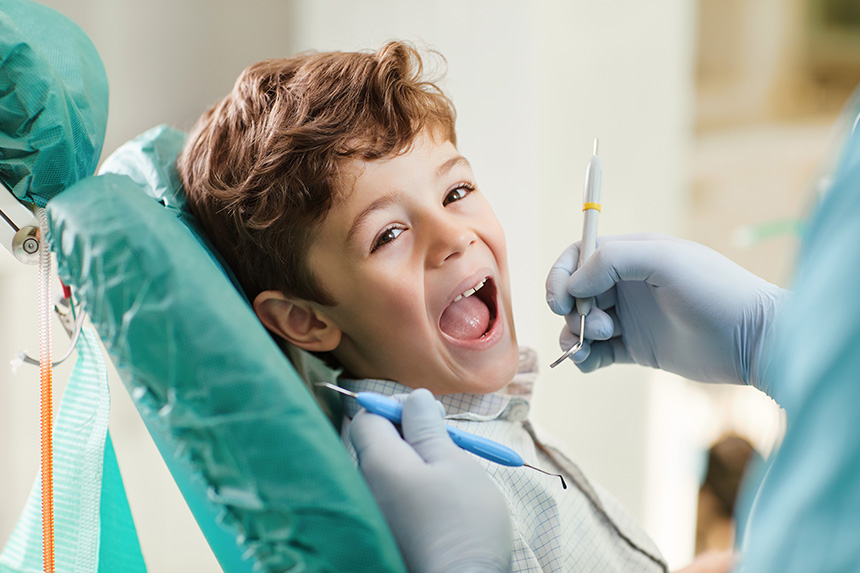
At Kidz Smile Pediatric Dentistry & Family Orthodontics, we believe that orthodontic care is about much more than creating a straight smile. Proper orthodontic treatment helps guide healthy jaw development, supports proper bite function, protects long term oral health, and gives children the confidence to smile throughout every stage of life. Our goal is to identify orthodontic concerns early, monitor your child’s growth carefully, and recommend treatment at the right time for the best possible results.
Many parents wonder when orthodontic treatment should begin. The answer is different for every child. While some children are ready for braces during their early teen years, others benefit from earlier intervention while their jaws and permanent teeth are still developing. This is why orthodontists often recommend an evaluation around age seven, even if all permanent teeth have not erupted.
Our pediatric dental and orthodontic team offers comprehensive Phase 1 orthodontics and Phase 2 orthodontics under one roof, allowing us to provide seamless care as your child grows. We understand the unique needs of children and teenagers, and we focus on making every visit comfortable, educational, and encouraging for both patients and parents.
Whether your child has crowded teeth, spacing concerns, bite problems, or jaw growth issues, our team is here to create a customized treatment plan designed specifically for their smile.
What Are Phase 1 and Phase 2 Orthodontics?
Orthodontic treatment is sometimes divided into two separate stages to address dental and jaw development at the most beneficial times. Rather than waiting until all permanent teeth have erupted, two phase orthodontic treatment allows us to guide growth while your child’s mouth is still developing.
Phase 1 orthodontics, sometimes called early interceptive orthodontics, typically begins while children still have a combination of baby teeth and permanent teeth. During this stage, we focus on correcting developing problems before they become more complex.
Phase 2 orthodontics begins later, after most or all permanent teeth have erupted. This stage focuses on achieving proper tooth alignment, bite function, and long lasting stability.
Not every child requires two phase treatment. Some children only need Phase 2 orthodontics, while others benefit significantly from early intervention. During your child’s orthodontic evaluation, we determine which approach will provide the healthiest outcome.
Why Early Orthodontic Evaluations Matter
Many orthodontic issues develop gradually over several years. Because children’s jaws continue growing throughout childhood, we have a unique opportunity to influence that growth before the bones become fully developed.
The American Association of Orthodontists recommends children receive their first orthodontic evaluation by age seven. At this age, enough permanent teeth have usually erupted for us to identify potential concerns, even if treatment is not immediately necessary.
Early evaluations allow us to monitor your child’s development over time. In many cases, no immediate treatment is needed, but regular observation allows us to begin orthodontic care at precisely the right time.
Detecting problems early may help reduce treatment complexity later while improving long term oral health.
What Is Phase 1 Orthodontics?
Guiding Growth During Childhood
Phase 1 orthodontics is designed for younger children whose jaws are still actively growing. This stage typically occurs between ages six and ten, although the exact timing depends on each child’s development.
Rather than focusing solely on straightening teeth, Phase 1 treatment addresses the underlying causes of orthodontic problems. By guiding jaw growth and creating adequate space for permanent teeth, we can often reduce the severity of future orthodontic issues.
Phase 1 treatment usually lasts between nine and eighteen months, depending on your child’s individual needs.
Signs Your Child May Benefit from Phase 1 Orthodontics
Some orthodontic concerns are easier to correct while children are still growing. During routine dental examinations, we carefully monitor for developing issues that may require early intervention.
Your child may benefit from Phase 1 orthodontics if they have severe crowding, early or late loss of baby teeth, impacted or blocked permanent teeth, crossbites, underbites, overbites, open bites, excessive spacing, jaw growth discrepancies, thumb sucking habits that have affected tooth alignment, speech difficulties related to bite issues, or difficulty chewing comfortably.
Even if these concerns appear minor, early treatment can often prevent them from becoming significantly more complicated in adolescence.
Common Goals of Phase 1 Orthodontic Treatment
Every child receives a personalized treatment plan based on their unique needs, but Phase 1 orthodontics often focuses on several important goals.
One objective is creating enough space for permanent teeth to erupt naturally. Crowded teeth may become impacted if there is insufficient room within the jaw.
Another goal involves guiding jaw development. Proper jaw growth improves facial balance while creating healthier bite relationships.
Phase 1 treatment may also correct crossbites that could otherwise lead to uneven jaw growth or excessive tooth wear.
Reducing the risk of dental trauma is another important benefit. Children with significantly protruding front teeth are more likely to experience injuries during sports or everyday activities.
By addressing these concerns early, we often make future orthodontic treatment more efficient.
Appliances Used During Phase 1 Orthodontics
Several orthodontic appliances may be used during early treatment depending on your child’s needs.
Palatal expanders gently widen the upper jaw when additional space is needed. Expansion also helps improve crossbites while creating room for erupting permanent teeth.
Space maintainers preserve room for permanent teeth if baby teeth are lost prematurely.
Limited braces may be placed on selected teeth to guide eruption and improve alignment.
Habit appliances can help children stop prolonged thumb sucking or tongue thrusting habits that affect bite development.
Each appliance is selected specifically to address your child’s unique orthodontic needs while supporting healthy growth.
Life Between Phase 1 and Phase 2
Once Phase 1 treatment is complete, children enter what orthodontists call the observation period. During this time, we continue monitoring jaw development and permanent tooth eruption.
Although active orthodontic treatment may be finished temporarily, regular follow up visits remain important. These appointments allow us to ensure permanent teeth are erupting properly while determining the ideal timing for Phase 2 treatment.
This observation phase can last several months or several years depending on your child’s growth.
What Is Phase 2 Orthodontics?
Creating a Beautiful, Functional Adult Smile
Phase 2 orthodontics begins after most or all permanent teeth have erupted, usually between ages eleven and fourteen.
At this stage, our focus shifts toward aligning every permanent tooth while creating a healthy bite that functions efficiently.
Phase 2 treatment often involves comprehensive braces or clear aligners depending on your child’s specific orthodontic needs and level of responsibility.
The goal is to achieve excellent tooth alignment while ensuring upper and lower teeth fit together comfortably.
Conditions Corrected During Phase 2 Orthodontics
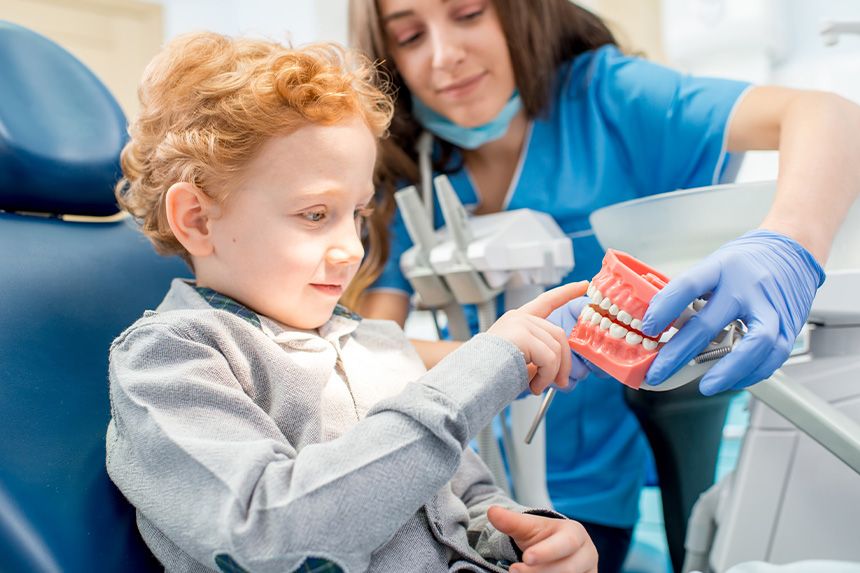
Phase 2 orthodontics addresses many common orthodontic concerns.
Crowded teeth can be aligned into healthier positions that are easier to clean and maintain.
Spacing between teeth can be closed to improve appearance and bite stability.
Overbites, underbites, crossbites, and open bites can be corrected to improve chewing function while reducing excessive wear on teeth.
Rotated teeth are repositioned to improve both appearance and long term oral health.
By correcting bite alignment, orthodontic treatment also helps distribute chewing forces more evenly across all teeth.
The Benefits of Two Phase Orthodontic Treatment
Two phase orthodontics offers several important advantages for children who qualify.
Early intervention allows us to work with natural jaw growth rather than waiting until development is complete.
Treatment may reduce the need for permanent tooth extractions in certain cases by creating additional space during childhood.
Some children experience shorter or less complicated Phase 2 treatment because underlying jaw problems were already addressed.
Improved bite alignment may reduce uneven tooth wear, jaw discomfort, and future orthodontic complications.
Many children also gain confidence as their smiles improve throughout treatment.
Most importantly, two phase orthodontics supports lifelong oral health by creating a balanced foundation for healthy teeth and gums.
Does Every Child Need Phase 1 Orthodontics?
No. In fact, many children only require Phase 2 orthodontic treatment during adolescence.
One of the greatest benefits of early orthodontic evaluations is determining whether early treatment is truly necessary.
Our team believes in conservative care. If your child does not need Phase 1 orthodontics, we simply continue monitoring their development until the appropriate time for treatment arrives.
We never recommend early orthodontic treatment unless it provides meaningful benefits for your child’s oral health.
How Pediatric Dentistry and Orthodontics Work Together
One of the advantages of receiving care at Kidz Smile Pediatric Dentistry & Family Orthodontics is the close collaboration between pediatric dental care and orthodontic treatment.
Healthy teeth and gums provide the ideal foundation for successful orthodontics. Throughout treatment, we continue monitoring your child’s oral health with regular dental examinations, professional cleanings, fluoride treatments when appropriate, and preventive care.
Because our providers work together, we can coordinate every aspect of your child’s care while identifying concerns quickly.
This integrated approach creates a more convenient experience for families while helping children maintain healthy smiles throughout orthodontic treatment.
Helping Children Feel Comfortable Throughout Orthodontic Care
We understand that orthodontic treatment is a new experience for many children. Our team works hard to create a welcoming, positive environment where every patient feels supported.
We explain procedures using age appropriate language, answer questions patiently, and celebrate each milestone throughout treatment. Our goal is to help children feel proud of their progress while building healthy habits they can carry into adulthood.
Parents are encouraged to participate throughout the process, and we provide detailed guidance on caring for braces, maintaining excellent oral hygiene, and protecting orthodontic appliances during sports and everyday activities.
Caring for Braces and Orthodontic Appliances
Good oral hygiene is essential during orthodontic treatment. Brackets, wires, and appliances create additional places where plaque can accumulate, making regular brushing and flossing even more important.
We teach children proper cleaning techniques and provide personalized recommendations based on their orthodontic appliances.
We also discuss foods that should be avoided to help prevent broken brackets or damaged appliances. Sticky candies, hard foods, chewing ice, and similar items can interfere with treatment progress.
Routine dental visits remain an important part of maintaining healthy teeth and gums while orthodontic treatment continues.
Why Families Choose Kidz Smile Pediatric Dentistry & Family Orthodontics
Choosing an orthodontic provider means choosing a team that understands growing smiles.
At Kidz Smile Pediatric Dentistry & Family Orthodontics, we combine pediatric dental expertise with comprehensive orthodontic care to provide personalized treatment from childhood through adolescence.
Every child receives an individualized treatment plan based on careful clinical evaluation, advanced diagnostic technology, and ongoing growth monitoring.
Our focus extends beyond creating straight teeth. We strive to improve oral health, bite function, facial development, and self confidence while making every visit a positive experience for children and parents alike.
Whether your child needs early interceptive orthodontics, comprehensive braces, or simply routine observation, we are committed to helping them achieve a healthy smile that lasts a lifetime.
Schedule Your Child’s Orthodontic Evaluation
Every child develops differently, and the right time for orthodontic treatment depends on their individual growth and dental development. An early orthodontic evaluation allows us to identify potential concerns before they become more complicated while giving families peace of mind about their child’s smile.
At Kidz Smile Pediatric Dentistry & Family Orthodontics, we are proud to provide personalized Phase 1 and Phase 2 orthodontic treatment in a caring, child friendly environment. Whether your child needs immediate treatment or simply ongoing monitoring, our experienced team is here to guide every step of their orthodontic journey. We look forward to helping your child achieve a healthy, confident smile that will last for years to come.